Historical insights, documents, articles, excerpts, and galleries from Otočac and the Gacka Valley
Podum in the Gacka Valley
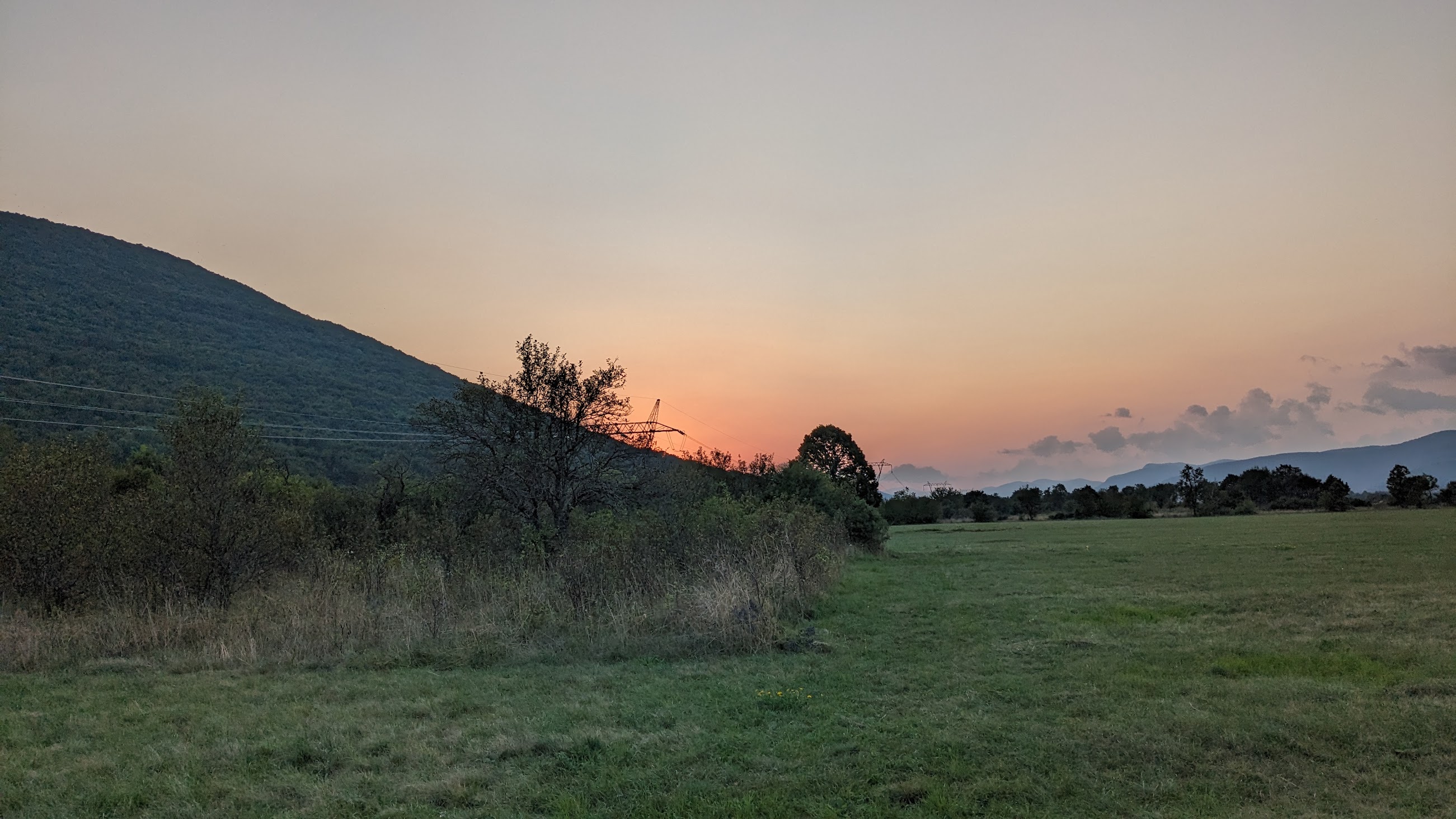
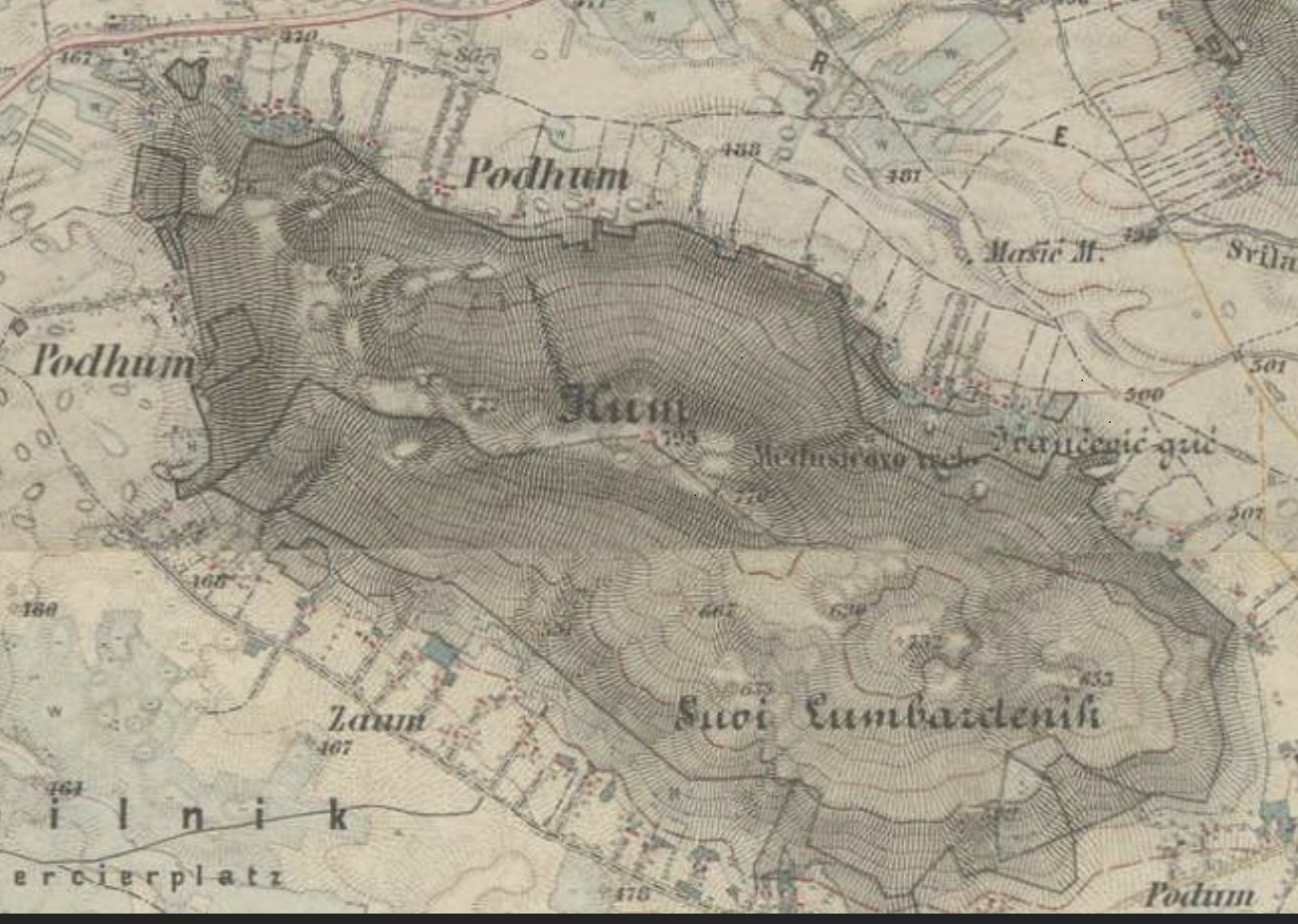
Podum is a village in Croatia’s Lika region, located at the foot of Mount Um in the Gacka Valley about three kilometers east of Otočac. The village forms a circle around the mountain, whose highest point rises to 795 meters, and residents refer to each other as Zaumljani depending on which side of the hill they live. The area is surrounded by the Velebit and Kapela mountain ranges and shaped by the karst landscape of the Gacka River. Nearby villages, including Staro Selo, Glavace, Škare, Doljani, and Zalužnica, were once collectively known as Vilići and were largely inhabited by ethnic Serbs until 1995. Podum’s population has declined from 1,123 in 1900 to 128 in 2021.
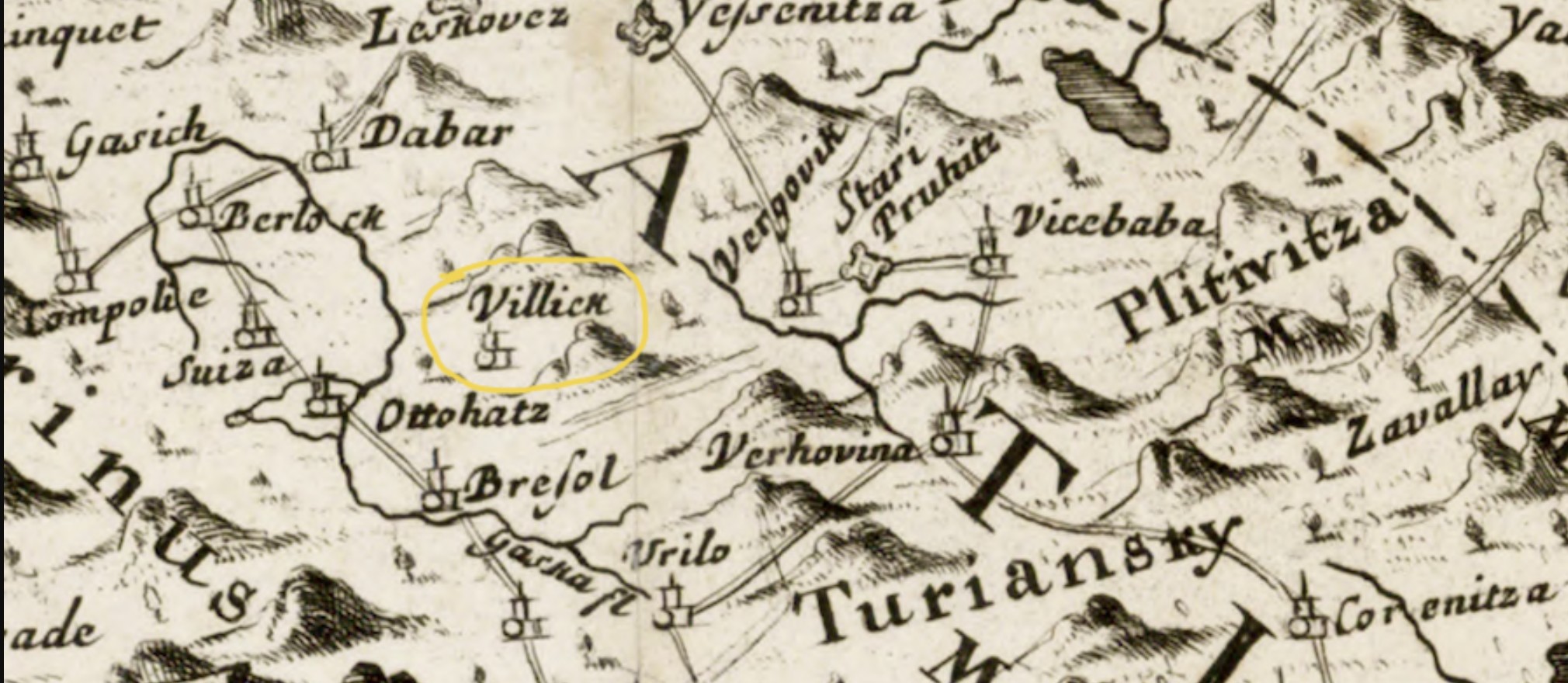
In the mid-17th century, Podum and nearby villages known as Vilići were settled by Serbian migrants called Usorci, according to historical sources. On June 8, 1658, at the invitation of Austrian authorities, they reportedly moved from the Ottoman-held Koreničko field to the Austrian Gacka Valley. Records mention around 83 families with 941 people, many armed. Settlement was completed by 1660 when they were granted land in Vilić field. For decades, residents of Staro Selo, Glavace, Oraovac, Podum, Škare, Doljani, and Zalužnica were officially called Vilićani. The earliest known military list from Podum dates to 1725, though details vary by source.
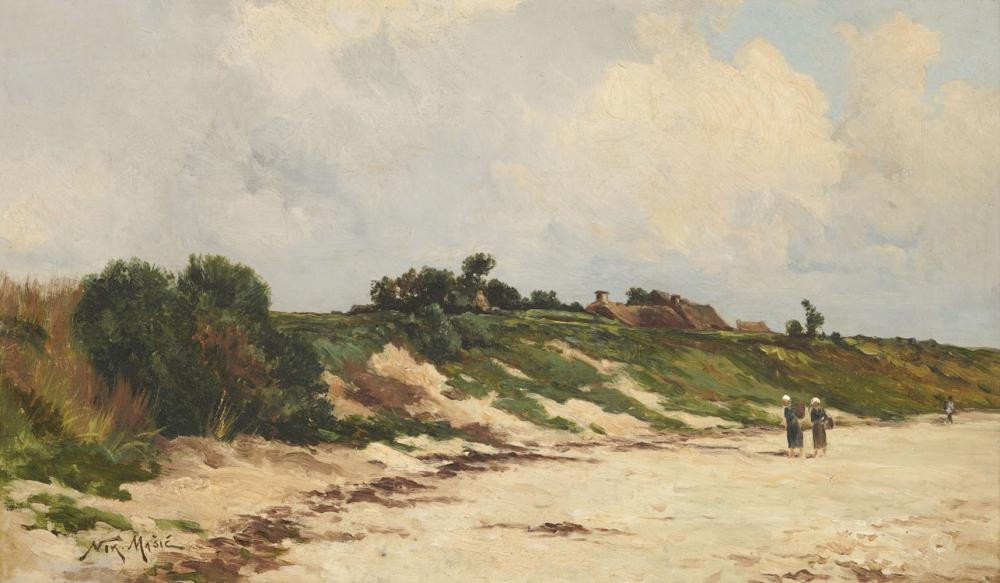
We present individuals whose contributions to culture, education, and the arts reach far beyond Podum. Whether born in the village or connected through family roots, they embody the creativity and spirit of this community. Their achievements in literature, music, visual arts, and scholarship reflect the lasting cultural influence of Podum and its people. Through their work, they preserve the village’s heritage and inspire future generations.
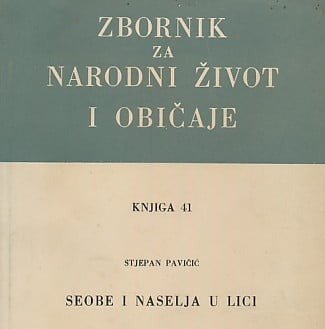
In 'Seobe i Naselja u Lici' (1962) historian Stjepan Pavičić presents a careful and richly documented study of population movements and settlement patterns in the Croatian region of Lika. Drawing on archival sources, onomastic evidence and geographical observations, Pavičić traces the evolution of local communities from the 13th century through the Ottoman incursions and the resettlements of the late 17th and early 18th centuries. He reconstructs the shifting demographics, showing who left, who stayed and who arrived, and how political changes, landholding systems and cultural transformations shaped the landscape of Lika.